Volvo Cars
Transformation through precision.
Synonymous with Scandinavian design, Volvo Cars has been on a journey to become the leader in luxury cars. With that, its business processes need to evolve — and that is where I come in.
- Gap analysis
- Product roadmap definition
- Business case framing
- Team structure & profiling
- Career framework
- Design strategy & planning
- Interviews & workshops
- Personas & journey mapping
- Information architecture
- Systematic design
- UX validation
- Prototyping
The backbone of the commercial system
As a Design Director in Enterprise, I work across the systems that govern how we define, set, adapt and release pricing and offers across Volvo's commercial interfaces.
I also work across the systems that govern the journey from order capture through to delivery.
In effect, I work with the backbone and machinery that makes the commercial system at Volvo work — to sell and deliver a car.
Easy peasy?
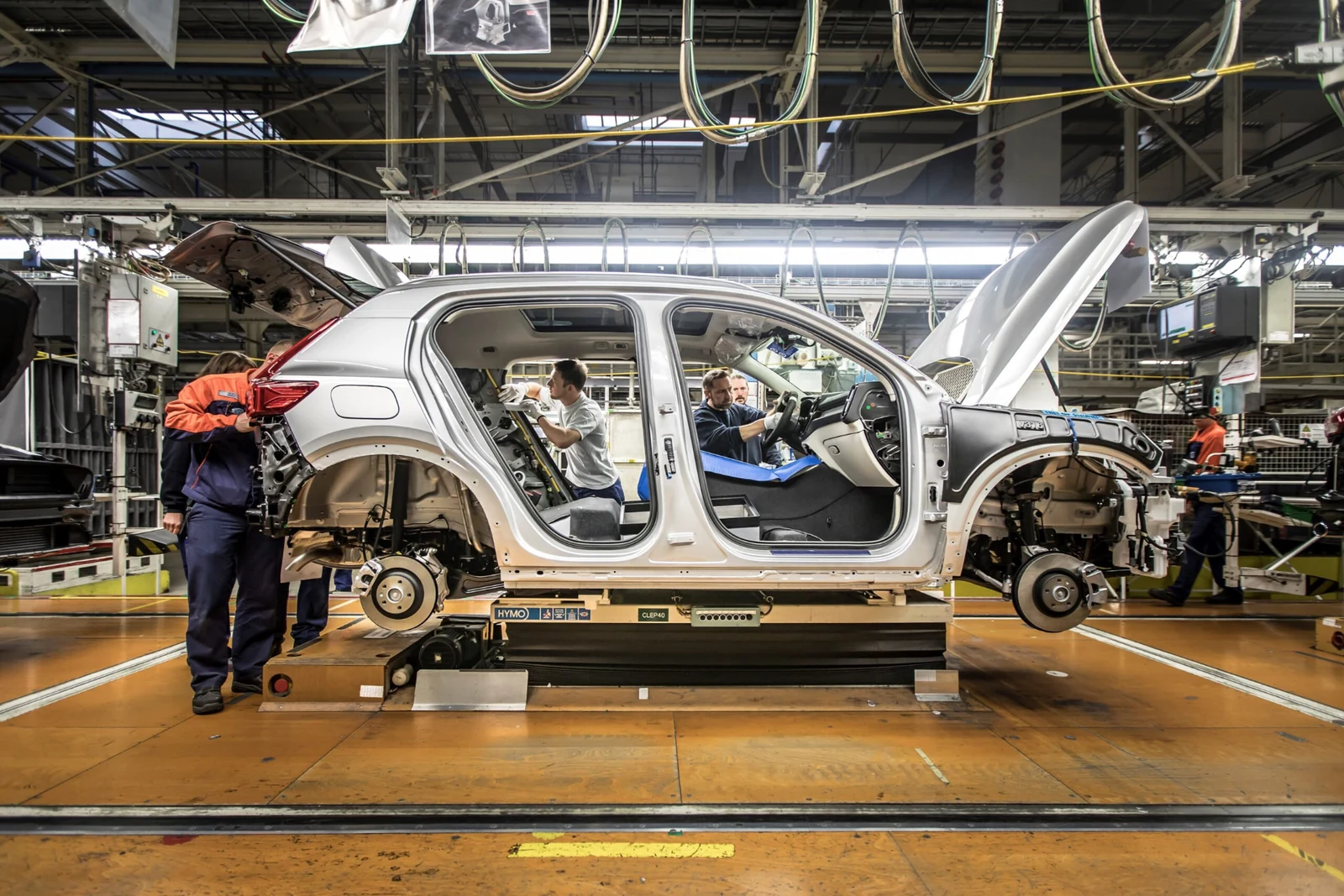
With so much legacy and partners to work with across the business, from Manufacturing to Commercial, this is a true transformation with tangible impact on the bottom line.
My role is to lead UX and work closely with Product to define where, how and what we should focus on to create bottom-line impact — particularly around margins and inventory quality.
Delivering on our promise
With the challenging situation in the automotive industry, I was part of the team driving focus on inventory quality — helping markets and central teams make better decisions based on changing conditions.
This led to the creation of Apollo, our machine-learning, math-based model for sales-volume planning.
Apollo helps create clarity around where we can create better sales volume based on mix factors. It has already had a material effect, reducing forecasting error by 10% — reducing the number of vehicles planned in the wrong car line or configuration for what was actually sold.
Beyond this, we created Inventory Quality tools that guide how to improve and adjust factory-planned vehicles in the pipeline towards more attractive configurations. In Japan, we have seen an estimated saving of 20 MSEK.
Together, these initiatives have been part of reducing inventory by 70,000 vehicles.
10%
20 MSEK
70,000
The commercial engine
Pricing is a pressurised subject. The effect of discounts can have a profound impact on margin, while markets need to respond quickly to changing conditions.
The hypothesis is simple: if we can improve the price-setting engine, we can move faster towards stronger price points and guide our markets in setting more attractive discounts.
Working closely with Global Pricing, we uncovered multiple opportunities where digital systems could provide guidance and support better decision-making.
This led to the creation of a Business Case tool to support pricing across multiple car lines and offers. Now used by central teams and markets, we continue to develop the tool — creating a stronger way to track and analyse performance and understand whether the offers we create actually sell.
Robust career framework
Design leadership isn't only about the work we deliver. It's also about creating the conditions for designers to grow.
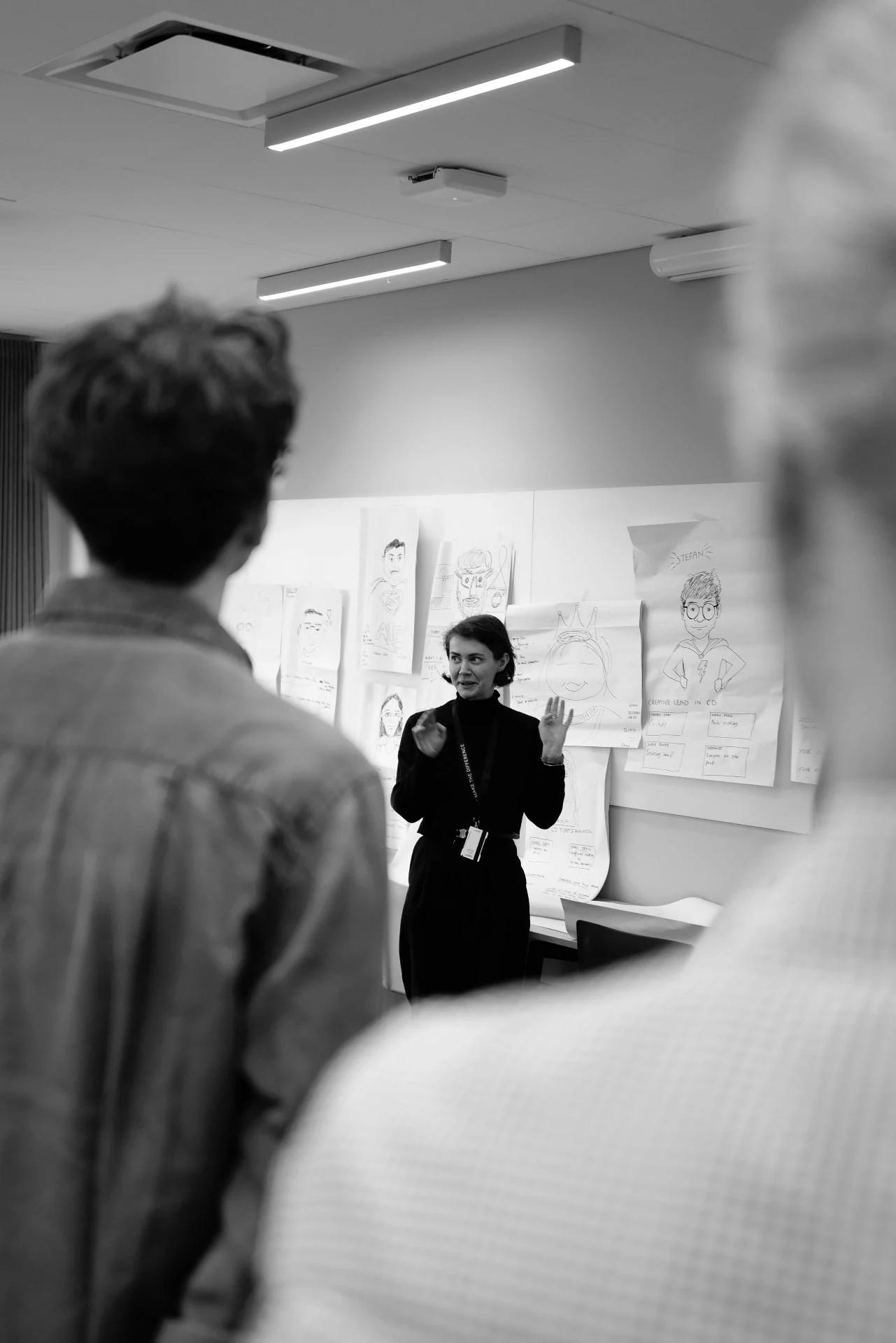
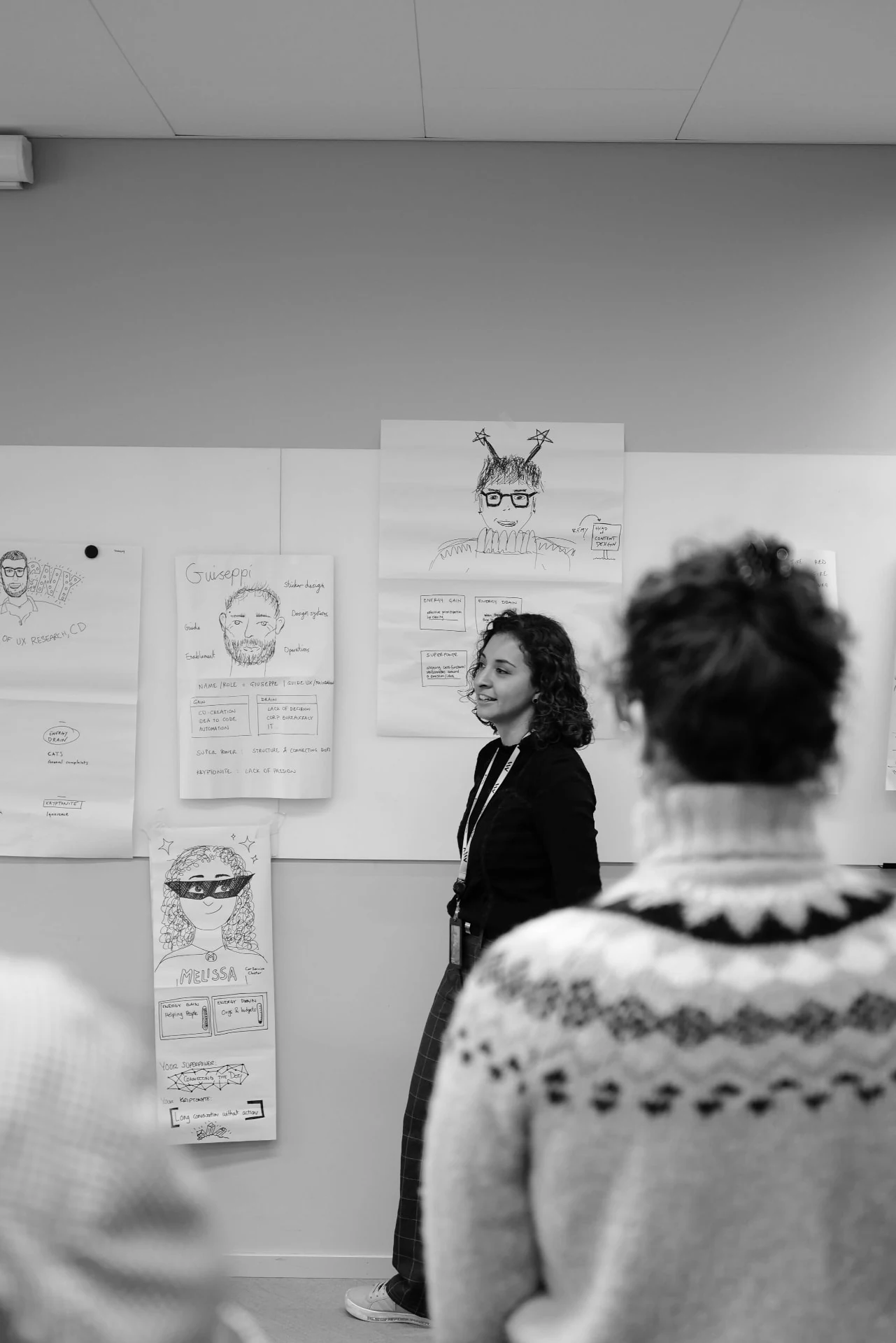
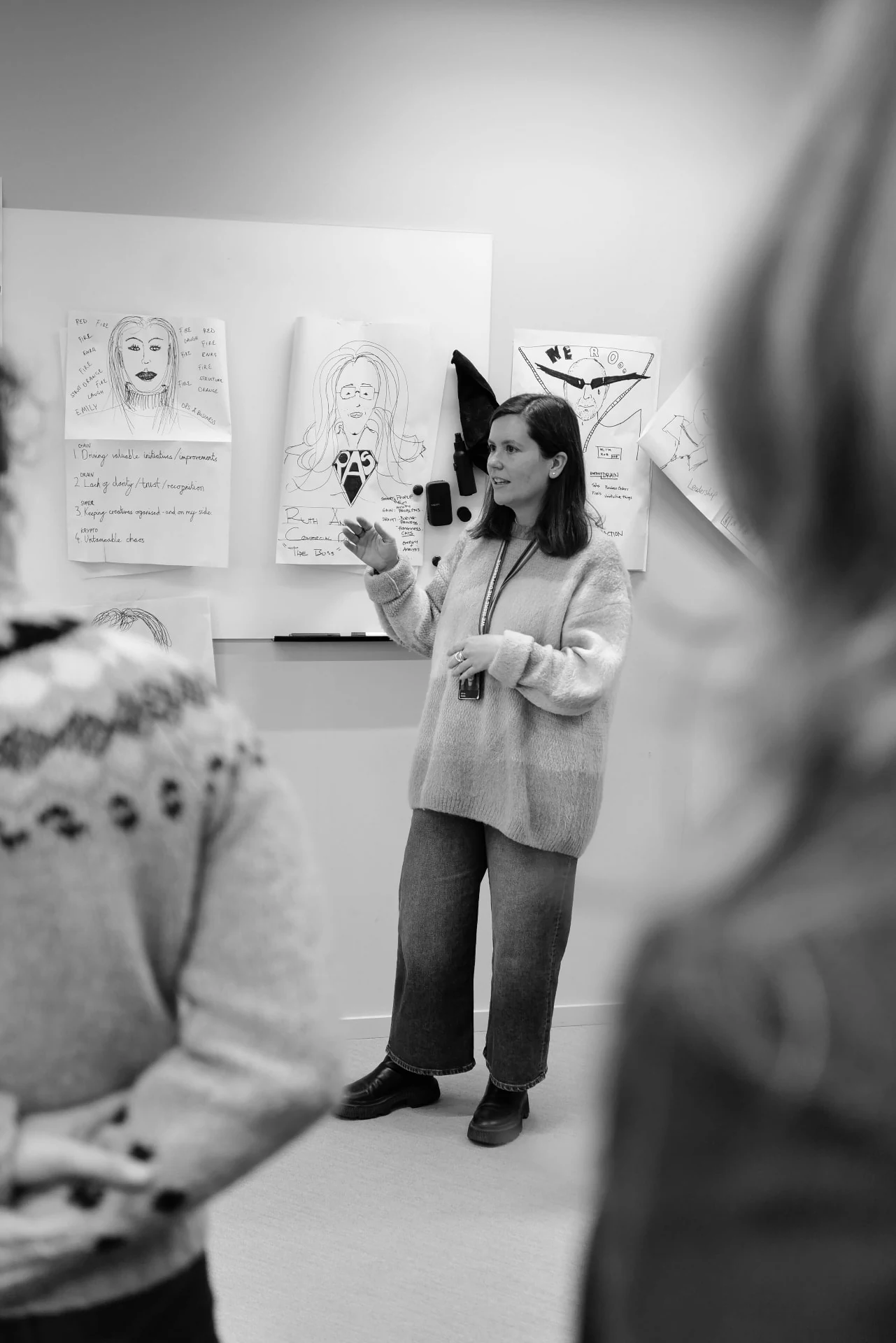
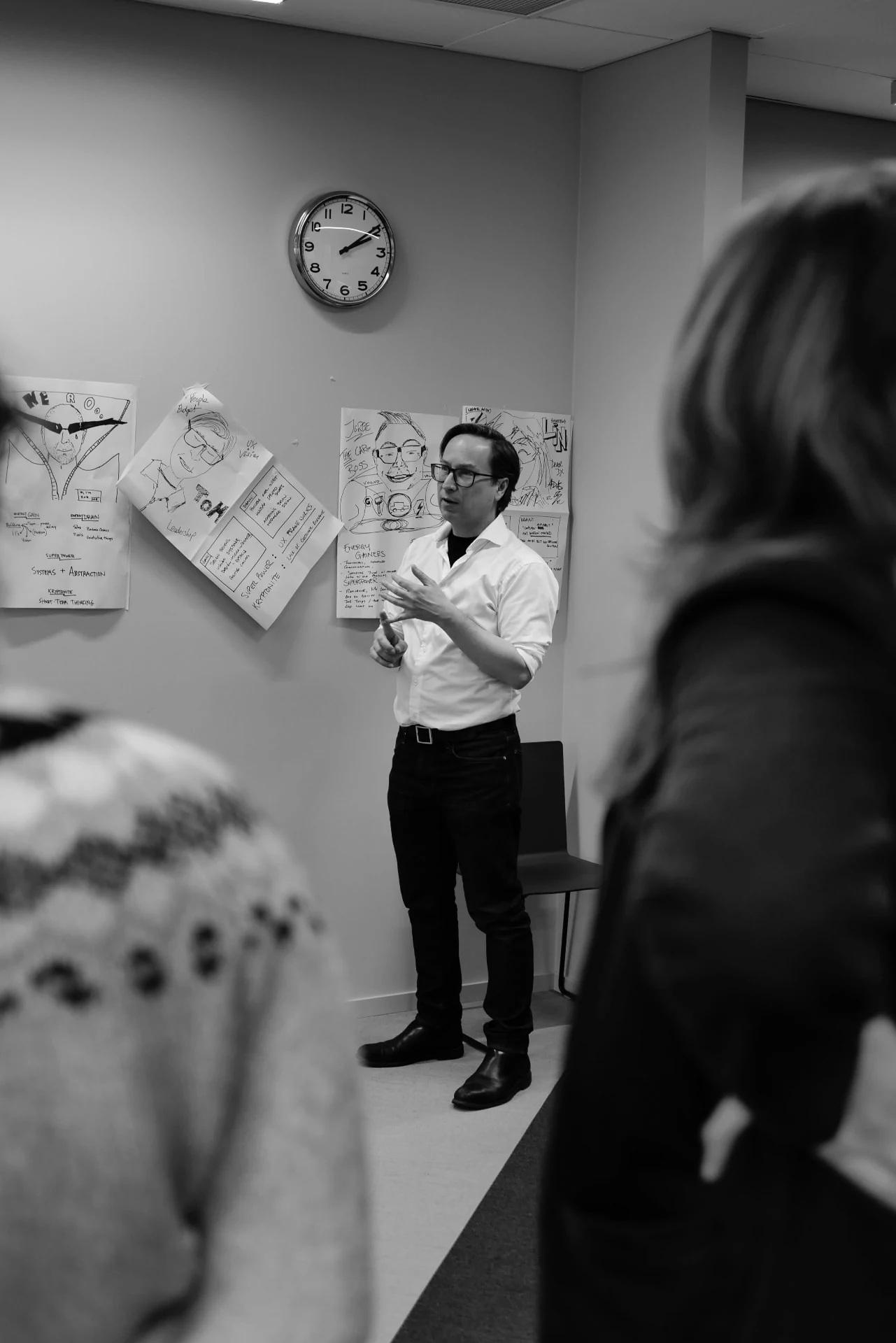
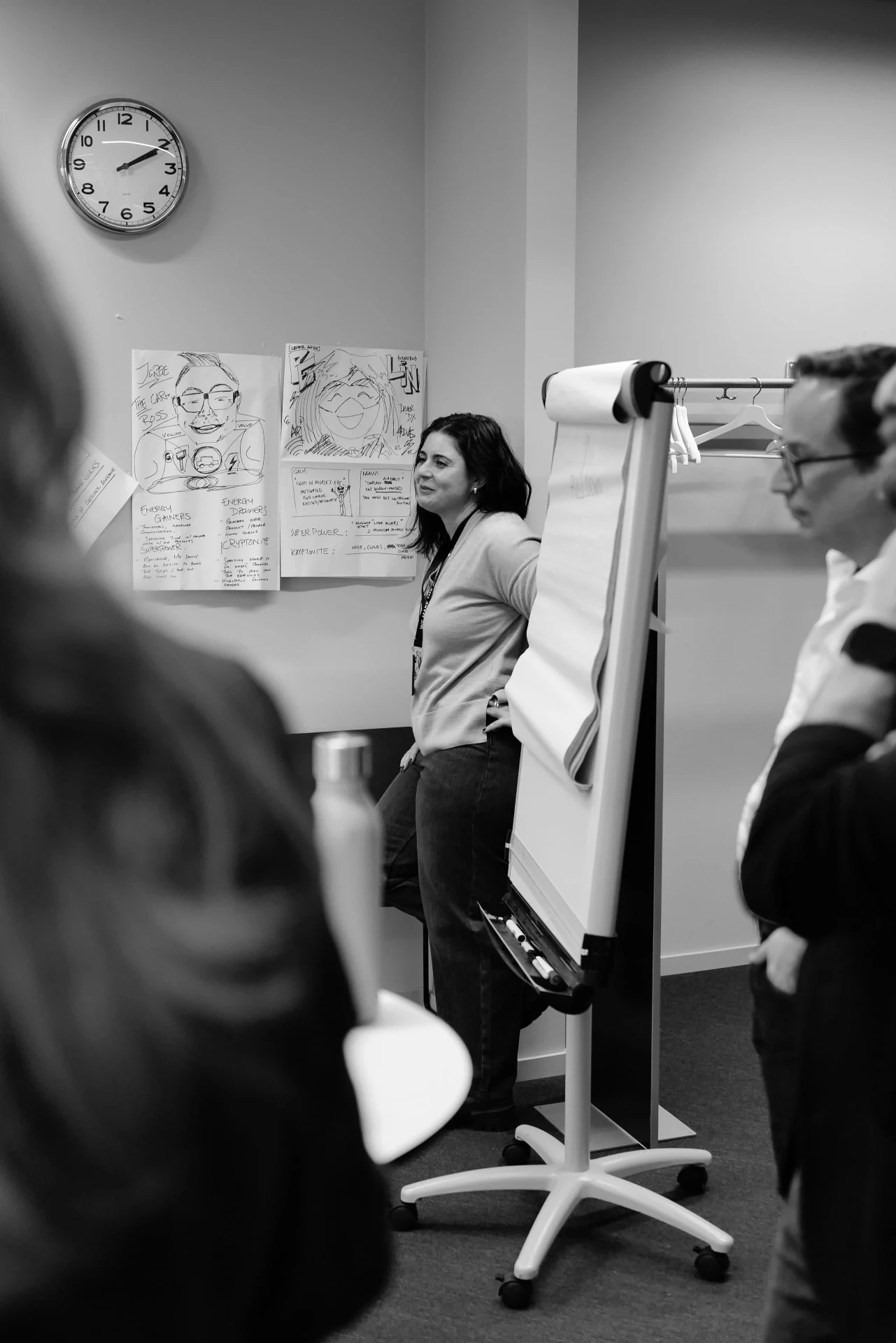
As part of the leadership team in Commercial, I supported the community across a number of initiatives, including the Career Framework for UX.
Alongside Jorge Furuya, Head of Car UX, and colleagues from Car UX and Commercial UX, I led the framing and shaping of the career framework that would form the basis for growth across Volvo Cars.
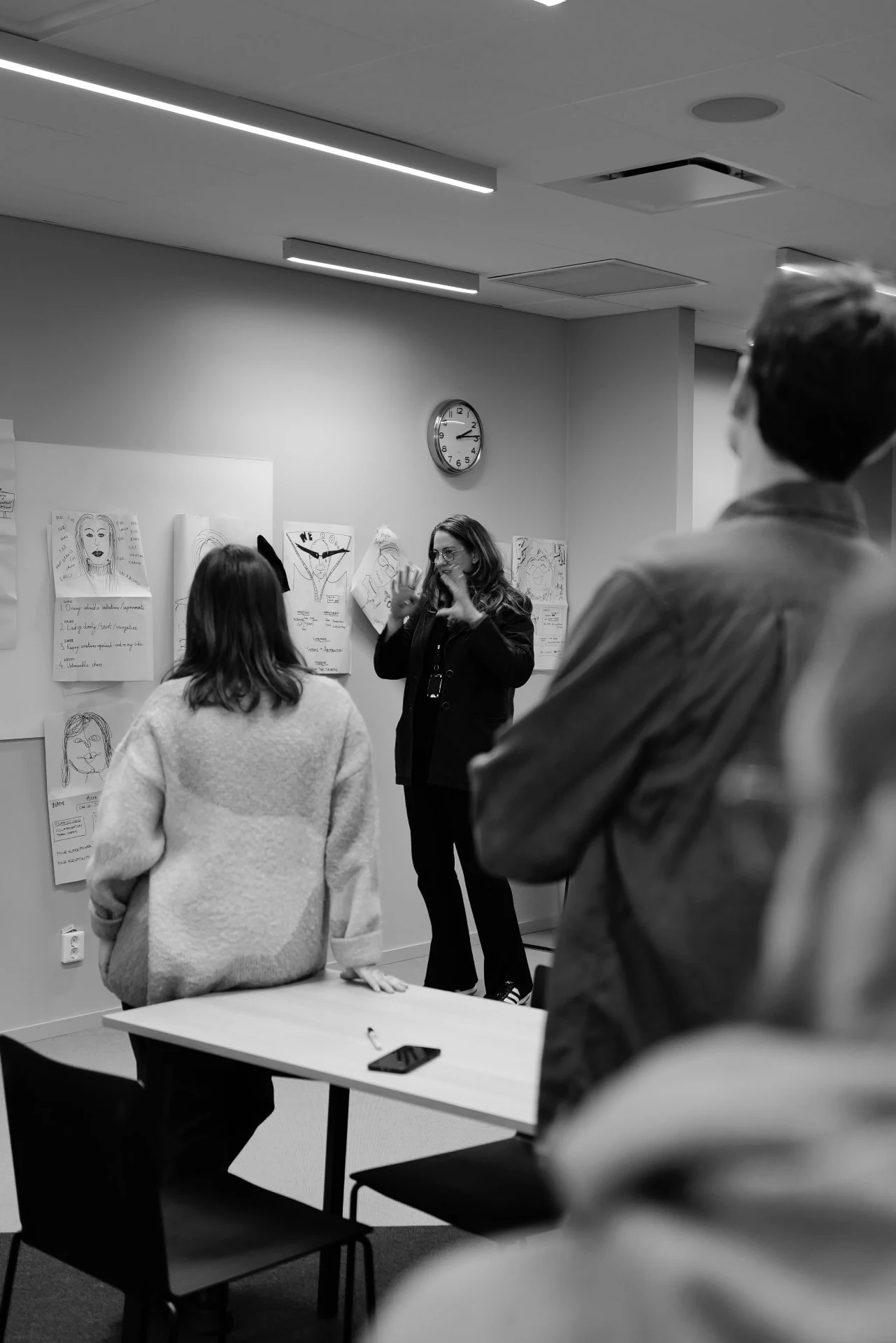
Making design commercially relevant
Metrics are great. But in Enterprise, a key part of my role has been bringing our work closer to our commercial stakeholders — building trust that we can create value.
By forming these partnerships, we've been able to shape a future strategy and vision that anchors our digital ecosystem in commercial value.
Something I'm immensely proud of — as is the incredible team of designers I've had the opportunity to lead.